


EquipmentPlace Alternatives for Landscaping Equipment

Quick Summary
The best equipmentplace alternative depends on your job size and how much downtime you can absorb. Compare sourcing channels on total cost, warranty process, and local parts and service, not sticker price alone.
Marketplace catalogs offer broad selection but may add warranty downtime during peak season.
Brand-specific dealers suit Wright, Rippa or Huayee machines and offer parts and service for those brands.
Used equipment has the lowest upfront cost but requires inspecting hours, hydraulic leaks and engine condition.
Rent when a project is short or uncertain; buy when utilization is high enough to justify ownership cost.
Reserve seasonal rental equipment weeks ahead, since availability tightens when you need it most.
Table of Contents
Comparing Landscaping Equipment Sources Before You Buy
Buying landscaping equipment rarely comes down to price alone. Weigh delivery, parts availability, service response and durability under daily use.
Most readers are weighing where to buy, so the useful comparison is which sourcing channel keeps a crew running.
Marketplace and online catalog alternatives. Online catalogs can offer broad selection. Confirm who handles warranty claims before buying, since the process for an online purchase may add downtime in season. Review the warranty terms to see what coverage applies before you commit.
Brand-specific dealers. A dealer carrying Wright, Rippa or Huayee lines can be a useful source for those machines. Selection is narrower, but buyers can ask about parts and service for the brands they choose.
Rental platforms. Often used for testing a machine or covering a short project.
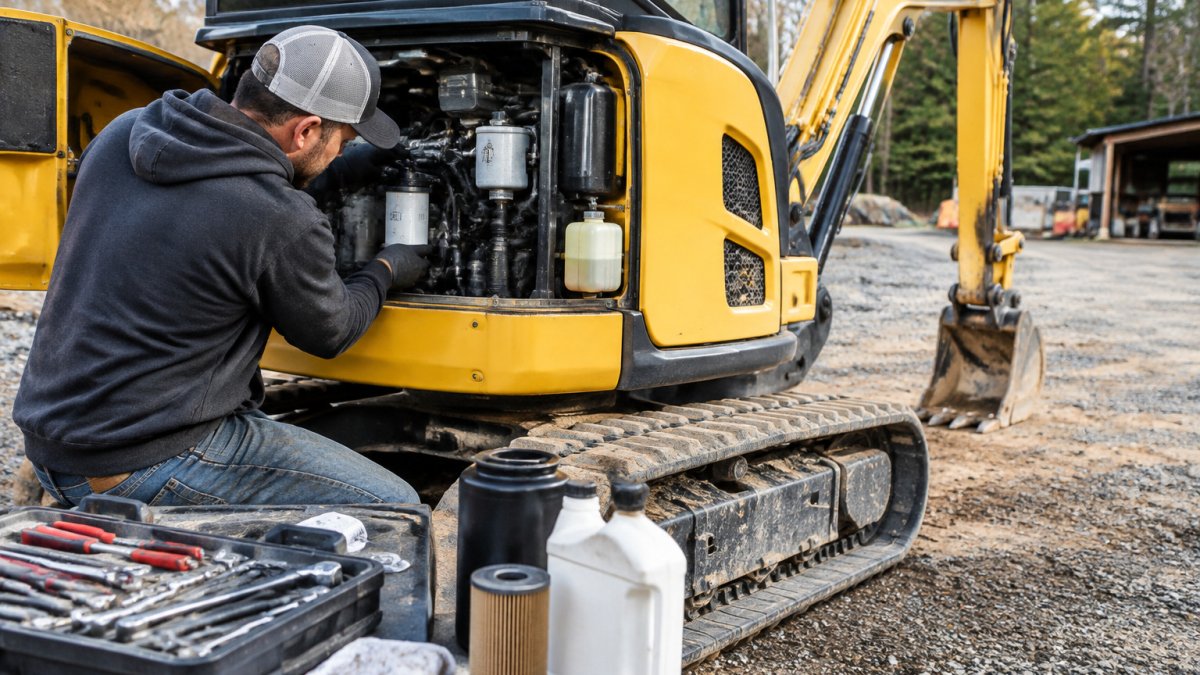
Used-equipment channels. Lowest upfront cost, highest inspection burden. Hours, hydraulic leaks and engine condition decide whether a used unit is a bargain or a repair project.
Watch out: Do not compare channels on sticker price alone. A machine $2,000 cheaper with no local parts path can cost more in lost billable days than the discount is worth.

Review the [PAGE:1] and [PAGE:4] pages before deciding, because warranty terms and inventory vary by seller.
The sourcing channels differ in what they offer and what they cost you in downtime.
Channel | Best for | Key difference |
Marketplace and online catalog | Broad selection | Warranty process may add downtime in season |
Brand-specific dealer | Wright, Rippa or Huayee machines | Narrower selection, parts and service for chosen brands |
Rental platform | Testing a machine or short project | Covers a short project |
Used-equipment channel | Lowest upfront cost | Highest inspection burden: hours, hydraulic leaks, engine condition |
Lawn Care Equipment List and Used Lawn and Landscape Equipment for Sale
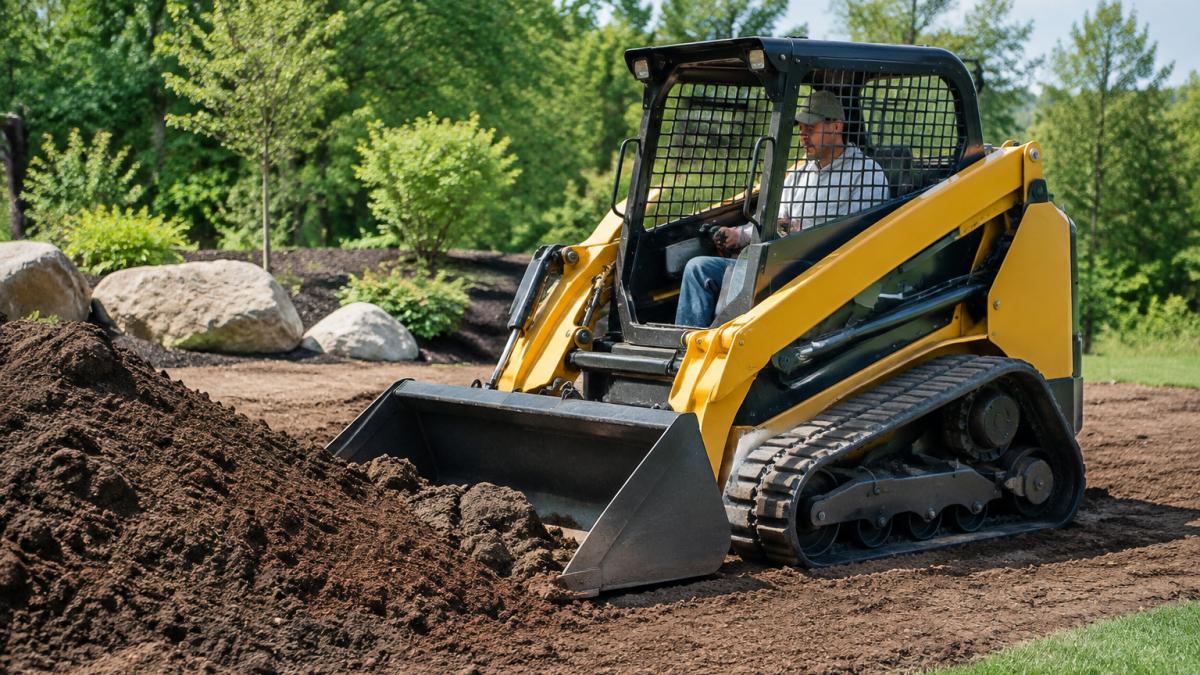
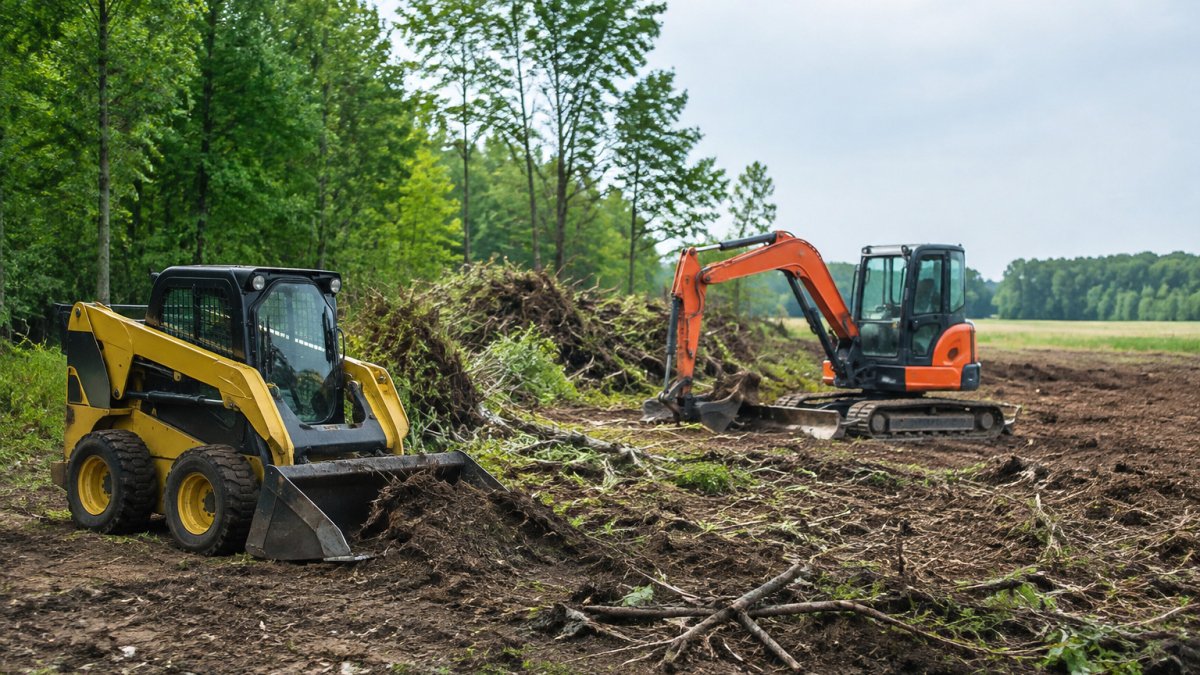
A practical lawn care equipment list starts with your most common work. Stand-on mowers suit large, open properties; walk-behind units fit tighter lots. Mini excavators and skid steers handle grading, trenching and material handling. Used equipment cuts upfront cost, but inspect hours, hydraulic leaks and engine condition first.
Lower Merion Township
Valley Equipment carries mowers, mini excavators and mini skid steers from Wright, Rippa and Huayee. Browse the browse the full equipment catalog, check the used equipment inventory, or view stand-on mowers.
Pricing depends on condition, configuration, quantity and delivery, so request a current quote from Valley Equipment rather than relying on estimates from other sources.
Landscaping Equipment Rental and Finding Lawn Care Equipment Near Me to Choose the Right Dealer
Rental makes sense when a project is short or uncertain. Rental platforms can help you compare rental options, so check each platform directly for availability and rates.
The decision most buyers get wrong is treating rent-versus-buy as a gut call. The practical test is utilization: how often you will run the unit determines whether renting or buying costs less over time.
Total cost of ownership separates a real EquipmentPlace alternative from a cheaper sticker. Add financing, delivery, blades and belts, hydraulic fluid, scheduled service, repairs, fuel or charging, and expected resale value, a machine with strong resale and a local parts path can cost less over three years than a discounted unit with neither.
When searching for lawn care equipment near me, look beyond distance. Ask whether the dealer stocks parts for your brands, how quickly technicians reach a job site, and whether they understand commercial use. Valley Equipment's after-sale service and support can help with questions about repair and parts.
For a commercial buyer, the dealer questions that matter are concrete: What is the warranty term and who performs the work? Are common wear parts stocked or ordered? What is the typical peak-season repair turnaround? Can the dealer supply a loaner? Does the service area cover your routes? A dealer that answers these plainly beats one that only quotes the lowest price.
Watch out: Rental availability tightens exactly when you need it most. Reserve seasonal equipment weeks ahead, and confirm the rental agreement covers damage and downtime the way your insurance expects.
Choose the source that matches your job size and how much downtime you can absorb, and confirm service and parts coverage before the machine leaves the lot.
Frequently Asked Questions
Where do landscapers buy their tools?
Landscapers typically buy from authorized dealers, online retailers, equipment rental shops, and used-equipment sellers. Authorized dealers are useful when you need brand-specific parts and service, while online retailers can offer broader selection. Rental shops suit short projects. Before buying, check whether the seller stocks replacement parts for the exact model, how quickly service technicians can respond during peak season, and whether pricing is quoted in writing. Pricing depends on quantity, delivery, and the equipment itself, so contact Valley Equipment for a current quote.
Is it better to buy or rent landscaping equipment?
Renting makes sense for occasional or project-based work, such as a single grading job or seasonal clearing. Buying makes more sense when a machine runs most days, because repeated rental costs can add up over a season. Consider how many hours per week you will run the equipment, whether you have storage, and whether you can handle routine maintenance. A mower used eight hours a day usually justifies ownership, while a mini excavator for an occasional trenching project may not. Valley Equipment can discuss which option fits your workload.
What should I check before buying used landscaping equipment?
Inspect the engine or hydraulic system, look for leaks, check hour meter readings against the seller's stated history, and test every control under load. Ask for maintenance records and confirm that replacement parts are still available for the model. Used equipment can save money, but an older machine with no parts support can lead to weeks of downtime during a busy season. Compare the seller's service options with those of a dealer that stocks parts for the brands it sells.
Comments